By Admin
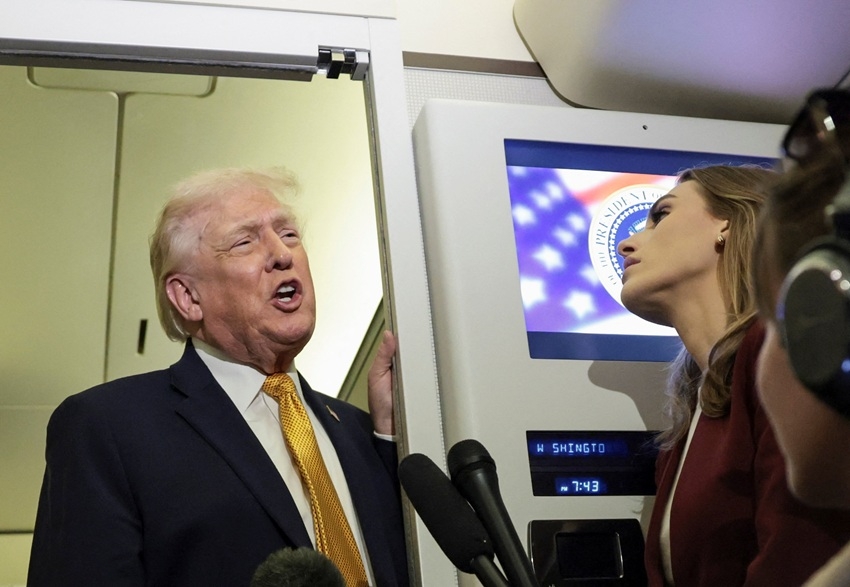
 In an era ruled by clips and outrage, a brief live television exchange allegedly involving Melania Trump and Congresswoman Jasmine Crockett ignited speculation, polarization, and viral narratives before verification could catch its breath.
Reports circulating online suggested a remark interpreted as insulting, yet the broadcast context remained disputed, clipped, and reframed across platforms, highlighting how ambiguity fuels attention when certainty struggles to keep pace.
Within minutes, hashtags multiplied, reaction videos surged, and timelines filled with confident claims, despite the absence of primary sourcing, official statements, or corroborated transcripts from the live program.
The story’s acceleration revealed a familiar pattern, where perception often outruns proof, and audiences become co-authors, remixing fragments into compelling arcs optimized for engagement rather than accuracy.
Social platforms reward velocity, not verification, transforming uncertain moments into definitive headlines, especially when prominent figures and existing political tensions provide combustible narrative shortcuts.
The allegation of a retaliatory $100 million lawsuit intensified interest, though public records, court dockets, and formal announcements remained unconfirmed at the time of widespread sharing.
This gap between claim and confirmation became the story itself, as commentators debated motives, intent, and consequences without a settled factual foundation.
Some viewers framed the alleged remark as deliberate provocation, arguing that power dynamics and history render “interpretation” inseparable from impact, regardless of stated intent.
Others cautioned against conflating viral consensus with truth, emphasizing how selective editing and commentary can misrepresent tone, context, and meaning within seconds.
The “seventeen seconds” narrative proved irresistible, symbolizing a compressed drama where reaction eclipsed reflection, and outrage provided instant clarity in a complex informational fog.
Media ecosystems thrive on such compression, packaging uncertainty into digestible conflict that travels faster than nuance, especially during politically charged cycles.
For supporters of accountability, the alleged lawsuit represented a boundary-setting response, a signal that reputational harm warrants consequences in an era of amplified speech.
Skeptics countered that premature legal claims risk trivializing defamation standards, potentially chilling discourse while rewarding speculative reporting and partisan amplification.
The absence of verifiable filings became a Rorschach test, revealing how audiences project expectations onto silence, interpreting it as strategy, delay, or confirmation.
Traditional journalism struggled to intervene decisively, constrained by verification standards while competing with creators unburdened by editorial brakes.
This asymmetry fuels frustration, as careful reporting appears slow beside viral certainty, even though caution remains essential for public trust.
The episode underscored how reputations can be reshaped in hours, with lasting effects regardless of later corrections or clarifications.
For public figures, the calculus has changed, as live appearances now carry algorithmic afterlives capable of eclipsing original intent.
Critically, the debate exposed how audiences increasingly value alignment over accuracy, rewarding narratives that affirm identity and worldview.
The polarized response also highlighted gendered readings of tone and authority, where identical words can be judged differently depending on speaker and listener.
Commentary channels amplified these readings, framing reactions as moral litmus tests rather than evidentiary assessments.
As the clip traveled, context eroded, replaced by captions, emojis, and confident assertions that hardened into perceived fact.
This phenomenon reflects a broader shift, where attention economics incentivize controversy while disincentivizing patience.
Legal experts cautioned that defamation claims require specific thresholds, including falsity, harm, and intent, which cannot be presumed from circulating clips alone.
Yet legal nuance rarely trends, while declarative claims do, creating an imbalance between expertise and reach.
The story’s endurance owed less to new information than to ongoing reaction, rebuttal, and recontextualization.
Each iteration reinforced engagement loops, encouraging creators to escalate rhetoric to maintain visibility.
In this environment, silence from principals becomes narrative clay, molded by advocates and detractors alike.
Observers noted that the absence of official confirmation did little to slow sharing, revealing how belief often precedes evidence online.
The episode invites reflection on media literacy, urging audiences to distinguish allegation from adjudication.
It also challenges platforms to consider friction mechanisms that slow virality when verification lags.
For journalists, the moment reiterates the value of transparent uncertainty, even when it costs clicks.
For viewers, it underscores responsibility, reminding us that sharing is an act with consequences.
The alleged exchange may ultimately prove mundane, misinterpreted, or unfounded, yet its ripple effects demonstrate the power of narrative velocity.
What lingers is not the words themselves, but the system that magnified them.
As politics increasingly unfolds through screens, the line between event and interpretation continues to blur.
The “seventeen seconds” became a mirror, reflecting how quickly we choose sides before seeking facts.
Whether accountability or theater, the debate reveals a public hungry for resolution amid uncertainty.
Resolution, however, demands time, evidence, and restraint, virtues rarely rewarded by algorithms.
Until incentives change, similar storms will recur, fueled by partial information and total confidence.
The challenge ahead lies in reclaiming deliberation without sacrificing engagement.
That task belongs not only to media institutions, but to every participant in the digital commons.

In the end, the moment reminds us that truth is not viral by default, but it remains essential.
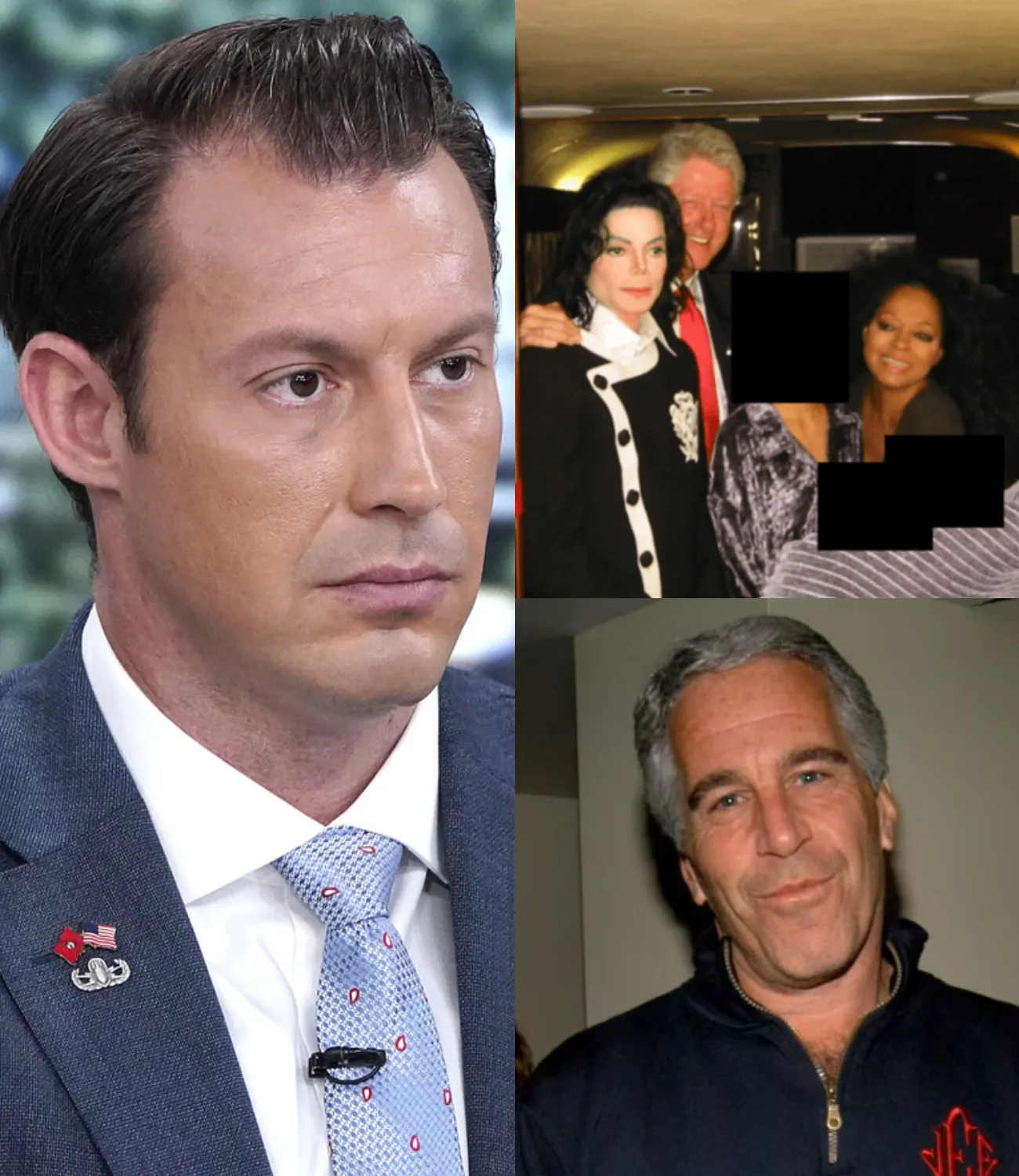
Finally, Epstein Files Released: Johnny Joey Jones Calls It Transparency, Kenedy Warns Hundreds Of Thousands More Pages Are Coming, Sparking National Debate And Political Firestorm….-kimthuy