 By Admin
 One recent night, a television program changed the usual dynamics of late-night comedy. Jimmy Kimmel and Michelle Obama delivered a segment that resonated far beyond the studio.
The combination of humor and seriousness had a powerful effect. The audience, accustomed to light satire, experienced a shift: laughter gave way to an attentive silence, heavy with reflection on Trump.

Kimmel began with self-deprecating jokes, at a relaxed, almost disconcerting pace. His humor opened the door. Michelle Obama brought a seriousness that didn’t confront, but rather invited consideration of responsibility and civic norms.
The segment wasn’t a direct attack, but rather a reframing of the discourse. Criticisms of Trump were expressed through irony and contrast, allowing viewers to reflect without insults or exaggeration.
Kimmel’s jokes highlighted familiar contradictions, while Michelle Obama emphasized the importance of words and their emotional impact, reminding everyone that power amplifies every public expression and its consequences.
The effect was cumulative: first laughter, then reflection. The audience underwent a process of emotional recalibration. Each round of applause alternated with silences that reinforced the depth of the message conveyed.
Within minutes, the clips went viral on social media. Immediate debates, conflicting interpretations, and comments from supporters dismissing the segment as predictable cultural hostility toward Trump ensued.
On the other hand, critics and analysts praised it as a moment of clarity. Entertainment television articulated frustrations that traditional political spaces usually omit, blending genres with surprising fluidity.
The Kimmel-Obama pairing wasn’t new, but it was certainly more intense. Late-night television reflects the public mood, especially during times of sharp political polarization and rising social tension.
Kimmel represents the institutional continuity of late-night comedy, based on repetition and familiarity. Michelle Obama, in contrast, symbolizes recent leadership, with a distinct communication style deeply respected by society.
Their dialogue was both contemporary and retrospective, analyzing the current situation and recent political history. They offered an exchange that combined entertainment, commentary, and civic reflection in an exceptionally effective way.
The White House did not immediately respond. This silence sparked public speculation. Trump allies called the segment disrespectful, arguing that it confused entertainment with partisan advocacy, while others acknowledged its subtlety.
The criticism didn’t descend into ridicule. In an age of constant outrage, moderation becomes a more powerful weapon. Subtlety allows the message to penetrate without immediate rejection.
For Trump, television has always been intimate territory. His media rise and presidency depended on constant public exposure, which gives these segments particular resonance for him.
Being criticized on a late-night talk show, with an audience that blends humor and politics, represents a different kind of confrontation. The audience consumes politics alongside comedy, interviews, and musical performances simultaneously.
Beyond Trump, Michelle Obama’s emergence highlights the transformation of the role of public figures in political discourse. Cultural influence is emerging as a central, not peripheral, channel.

Obama didn’t promote any specific campaign or policy, but his presence was significant. It demonstrates that cultural authority can generate political impact comparable to that of traditional institutions, redefining how messages are communicated.
Late-night television, as a platform, reflects and shapes public perception. The convergence of entertainment and political commentary demonstrates that conventional media channels no longer monopolize influence over opinion.
The audience responded with attention and respect. The pauses between laughter and applause created a space for contemplation, where irony and seriousness coexisted, reinforcing the narrative without the need for direct confrontation.
Kimmel and Obama showed how comedy can spark profound discussions. Their collaboration balanced humor and moral reflection, demonstrating that television entertainment can deliver political messages with great effectiveness and reach.
The viral nature of the segment demonstrated the power of digital platforms. Clips and comments spread rapidly, multiplying the reach of the original message and generating intense debates in opinion forums and social media.
Critics pointed out that the combination of traditional figures and political leaders consolidates media influence. Audiences no longer separate entertainment from politics; the line between the two is constantly blurring in cultural contexts.
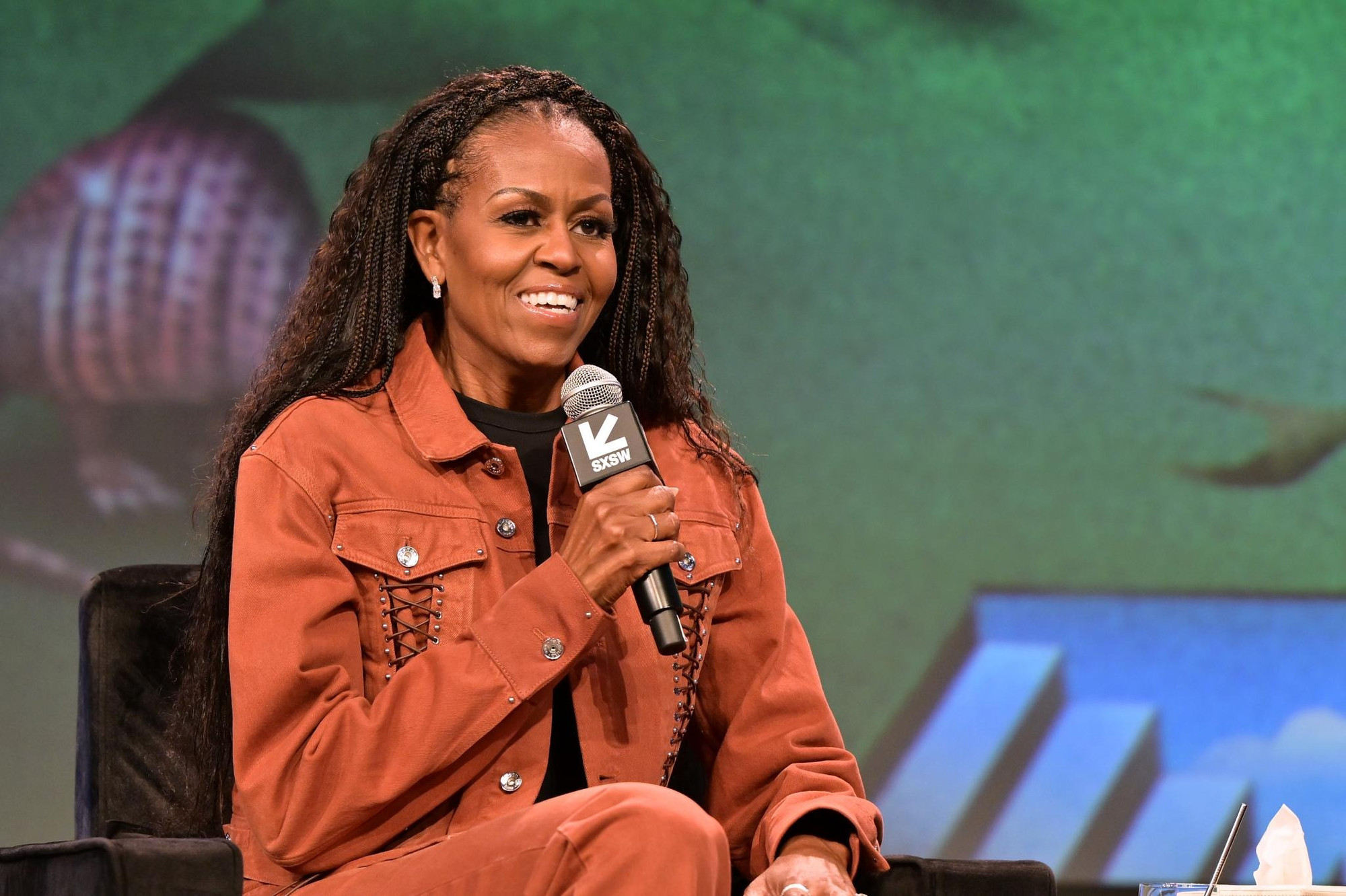
Some Trump supporters dismissed the criticism, interpreting it as cultural elitism. However, the subtle segmentation and the absence of direct attacks made the argument harder to dismiss entirely.
The episode demonstrated how television can serve as a space for civic reflection. The interplay between humor and seriousness creates a unique format, where viewers process politics while being entertained.
Obama used his presence to emphasize norms and responsibility, without resorting to sarcasm or mockery. The narrative appealed to conscience, demonstrating that moral weight can be more effective than open confrontation.
Kimmel, for his part, maintained a lighthearted tone, using self-referential jokes and ironic observations. This contrast allowed Obama’s seriousness to stand out, maximizing the impact of his message on the audience.
This segment redefined how media can intervene in contemporary politics. The collaboration between entertainment and cultural leadership demonstrates new forms of influence and social interaction on public affairs.

The White House’s silence and the reaction from allies illustrate how indirect criticism can be unsettling. The lack of an official response intensifies the debate and amplifies the perceived relevance of the message conveyed.
In a polarized country, the subtlety of the message becomes more powerful than direct confrontation. The combination of humor and seriousness allows leaders to be questioned without resorting to explicit attacks or ridicule.
The cultural impact extends beyond politics. Late-night comedy shows, by featuring respected political figures, can transform perceptions and act as catalysts for broad and deep social conversation.
Viewers recognized the difference between mockery and reflection. The initial irony created space for Obama’s serious remarks to be absorbed, striking a balance between entertainment and civic awareness.
Digital distribution accelerated the segment’s impact. Comments, analyses, and memes emerged rapidly, demonstrating television’s ability to generate immediate and sustained conversation across various media and platforms.
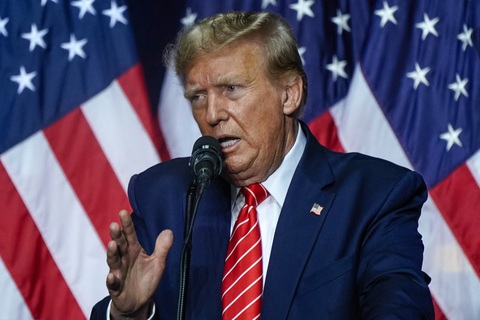
Kimmel and Obama demonstrated that collaboration between entertainment and cultural leadership is redefining traditional channels of political communication. This balanced interaction creates opportunities for critical questioning without apparent direct conflict.
The audience recognized the importance of cultural authority combined with humor. Effective criticism was delivered without shouting or interruptions, demonstrating how moderation and tone can amplify the political and moral message.
Through this segment, late-night television demonstrated its capacity to be a hybrid space. Humor and ethics intertwine, and the audience experiences a form of political analysis without resorting to traditional formal structures.
The collaboration between Kimmel and Obama sets a precedent. The combination of comedy and cultural leadership suggests that political and social influence can emerge from unconventional spaces, redefining public perceptions of leadership.
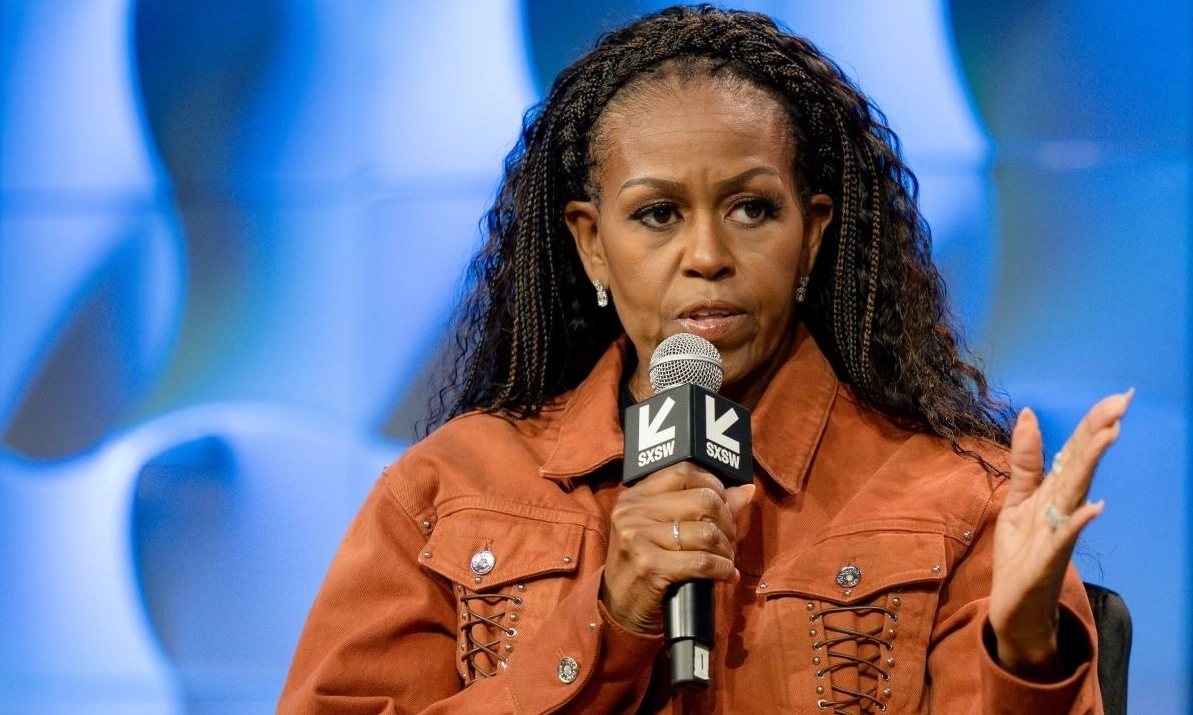
The debate generated demonstrates that entertainment media can act as forums for political reflection. The interplay between humor, analysis, and symbolic presence creates a cumulative effect on the general public consciousness.
MICHAEL STRAHAN JUST DROPPED A TRUTH BOMB ABOUT JOHNNY JOEY JONES THAT NO ONE SAW COMING……-kimthuy

In an astonishing moment that left the entire FOX Sunday studio frozen, Michael Strahan made a declaration that has shaken the very foundations of political commentary and television. Strahan, known for his sharp insights and unflinching approach to the issues, took the audience and viewers by complete surprise when he boldly proclaimed that Johnny Joey Jones, a Fox News contributor and political commentator, isn’t merely surviving in the competitive world of media — he is destined to reshape the entire landscape of American television. Strahan’s words were powerful enough to send shockwaves through media circles, political commentators, and millions of viewers.